X Latin American School on Computational Neuroscience – LASCON 2026

January 5-30, 2026

NeuroMat (Antonio Galves building)

Institute of Mathematics and Statistics, University of São Paulo, São Paulo, Brazil

The X Latin American School on Computational Neuroscience (LASCON 2026) will be held from January 5 to 30, 2026, at the Antonio Galves Building, Institute of Mathematics and Statistics, University of São Paulo, in São Paulo, Brazil.

Application Deadline: October 11, 2025

Curriculum and Structure

LASCON 2026 offers a comprehensive and immersive four-week program that spans multiple scales of brain modeling, from biophysically detailed single neurons to large-scale neural networks and theoretical frameworks of brain function and dysfunction. Participants will explore cutting-edge topics including extracellular field modeling, synaptic and structural plasticity, brain disease and brain state modeling, artificial intelligence, criticality in brain dynamics, consciousness, and brain–machine interface.

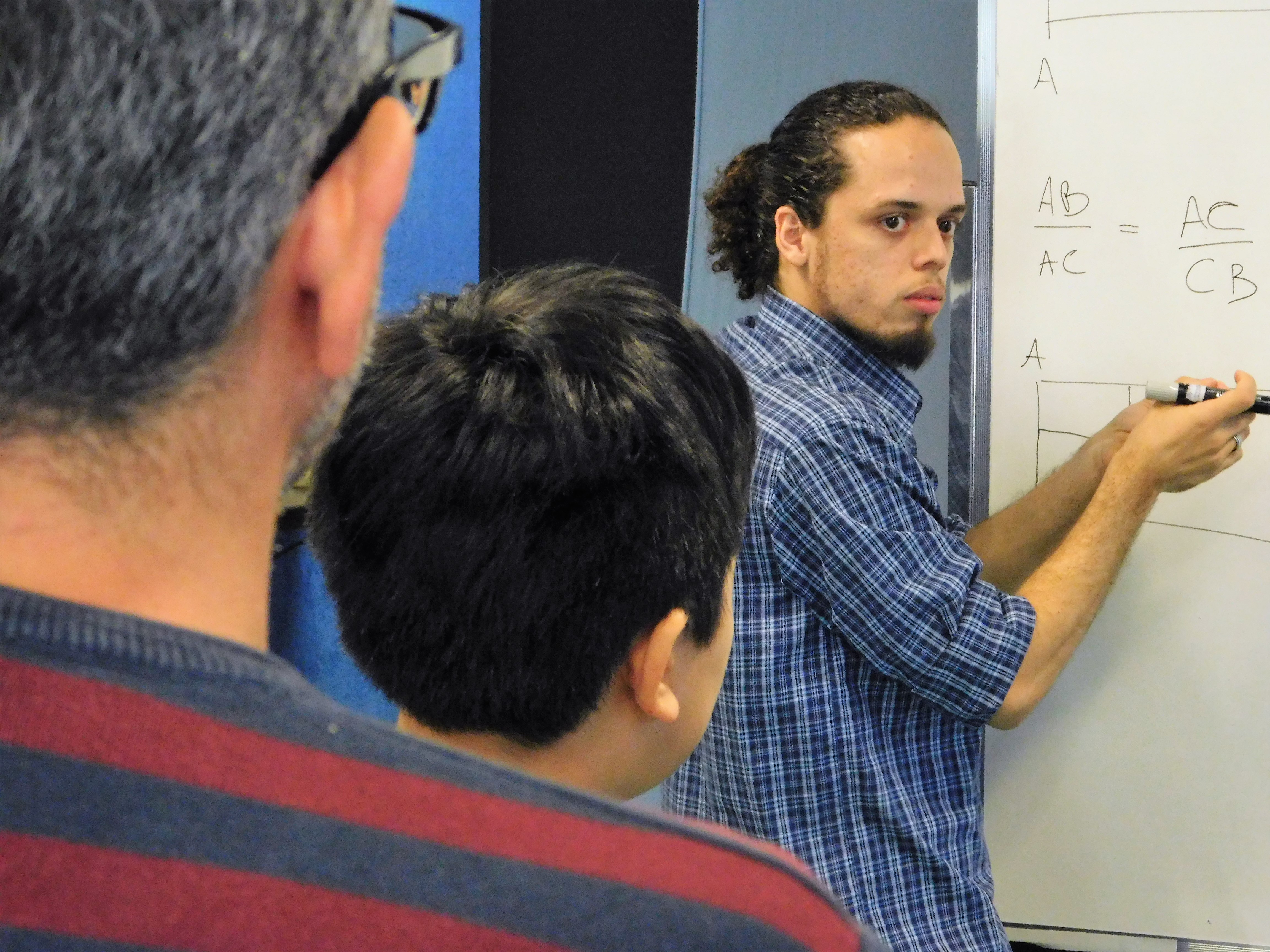
The daily schedule balances morning lectures on theory with afternoon hands-on tutorials using leading simulation tools (NEURON, NEST, NetPyNE), followed by evening exercises and group project work. The school culminates in student presentations of research projects developed during the course.

Faculty and Philosophy

The faculty includes an international team of world-renowned researchers in computational neuroscience. Staying true to its mission of promoting excellence without financial barriers, LASCON does not charge tuition fees.

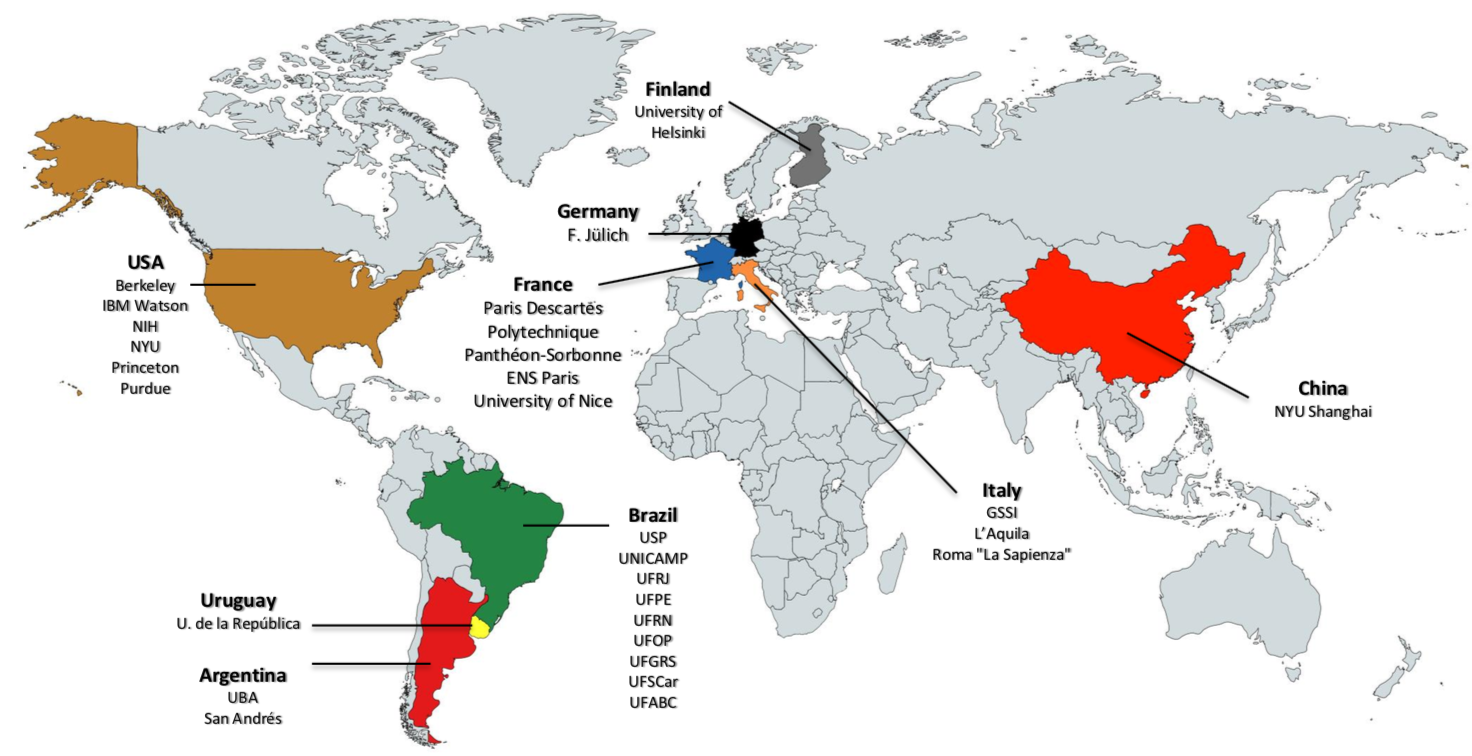
LASCON 2026 is open to applicants from a wide range of academic backgrounds, including physics, biology, mathematics, computer science, medicine, engineering, psychology, philosophy, cognitive science, and more. While most accepted students will come from Latin America, the school also welcomes participants from other regions of the world.

Application and Selection

Applications must be submitted electronically through the application form, accompanied by:

  • A detailed CV in English
  • Two letters of recommendation

Enrollment is limited to 40 students, with selection based on academic background and submitted materials. Applicants should be fluent in English (written and spoken), have solid training in life and/or physical sciences, and preferably some programming experience.

Financial Support

The participation of the lecturers in the school is partially supported by FAPESP. Depending on funds provided by IBRO, the organization will offer partial or full free accommodation during LASCON 2026. Travel expenses, however, are not covered, and students are encouraged to seek support from national or international funding agencies.

Student Projects

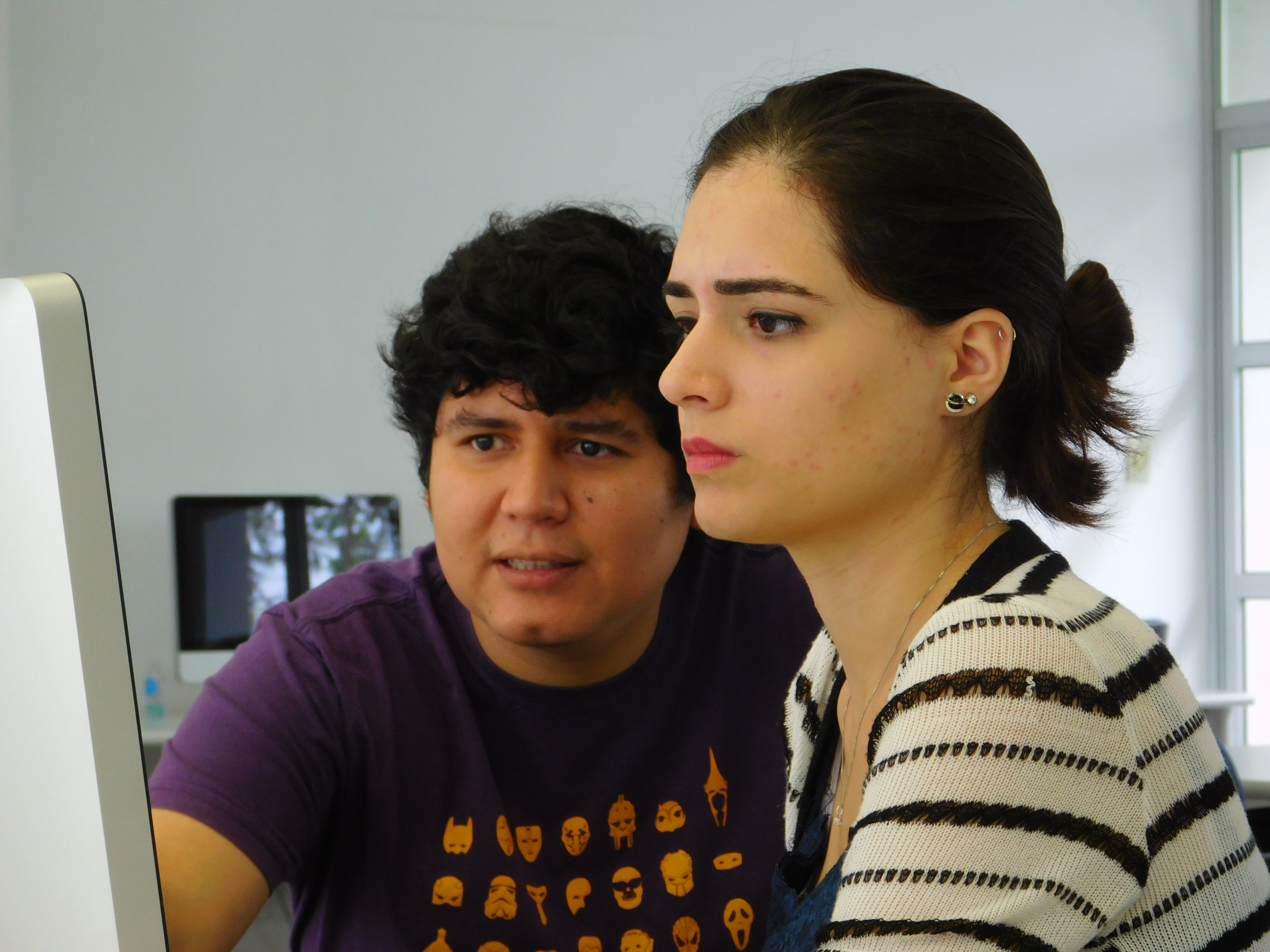
The LASCON students, working in pairs, must develop small research projects during the school and present them on the final day.

  • In the second week, students will meet with organizers and faculty to select project themes.
  • Working in pairs, they will develop these projects in parallel with lectures and tutorials.
  • Preliminary results will be presented in an assessment session at the beginning of the final week.
  • After incorporating feedback from lecturers and peers, students will deliver their final presentations on the last day of the school.

Computers

Selected students must bring their own laptops with the required software pre-installed. A detailed list of programs and versions will be provided in advance.

LASCON 2026 is an activity of the Research, Innovation and Dissemination Center for Neuromathematics (RIDC NeuroMat), funded by FAPESP.


Organizing Committee

Organizer

Antonio C. Roque (University of São Paulo, Ribeirão Preto, SP, Brazil)


Co-organizers

Aline Duarte (University of São Paulo, São Paulo, SP, Brazil)

Ariadne Costa (Federal University of Jataí, Jataí, GO, Brazil)

Bóris Marin (Federal University of ABC, São Bernardo do Campo, SP, Brazil)

Cristiane O. R. Salum (Federal University of ABC, São Bernardo do Campo, SP, Brazil)

Fernanda Matias (Federal University of Alagoas, Maceió, AL, Brazil)

Maurício Girardi-Schappo (Federal University of Santa Catarina, Florianópolis, SC, Brazil)

Rodrigo F. O. Pena (Florida Atlantic University, Jupiter, FL, USA)


Local Organizers

Arthur H. D. Rodrigues (University of São Paulo, SP, Brazil)

Lourdes Netto (University of São Paulo, São Paulo, SP, Brazil)

Erico Silva (University of São Paulo, São Paulo, SP, Brazil)

Matheus A. Teixeira (University of São Paulo, São Paulo, SP, Brazil)


Scientific Committee

Adriano Tort (Federal University of Rio Grande do Norte, Natal, RN, Brazil)

Antonio C. Roque (University of São Paulo, Ribeirão Preto, SP, Brazil)

Ariadne Costa (Federal University of Jataí, Jataí, GO, Brazil)

Arnd Roth (University College London, London, UK)

Bóris Marin (Federal University of ABC, São Bernardo do Campo, SP, Brazil)

Cristiane O. R. Salum (Federal University of ABC, São Bernardo do Campo, SP, Brazil)

Demian Battaglia (University of Strasbourg, Strasbourg, France)

Fernanda Matias (Federal University of Alagoas, Maceió, AL, Brazil)

Florencia Leonardi (University of São Paulo, São Paulo, SP, Brazil)

Horacio Rotstein (New Jersey Institute of Technology, Newark, NJ, USA)

Marcelo Reyes (Federal University of ABC, São Bernardo do Campo, SP, Brazil)

Markus Diesmann (Jülich Research Center, Jülich, Germany)

Maurício Girardi-Schappo (Federal University of Santa Catarina, Florianópolis, SC, Brazil)

Rodrigo F. O. Pena (Florida Atlantic University, Jupiter, FL, USA)

Sacha van Albada (Jülich Research Center, Jülich, Germany)

Volker Steuber (University of Hertfordshire, Hatfield, UK)

William Lytton (State University of New York, New York, NY, USA)
Program

Date Time Activity Coordinator(s)
Sun Jan 4 14:00–22:00 Arrival A. Roque
Date Time Activity Coordinator(s)
Mon Jan 5 09:00–10:00 Lecture 1. The Hodgkin-Huxley model H. Rotstein
10:00–10:20 Coffee break
10:20–11:20 Lecture 2. The cable equation A. Roth
11:20–11:30 Interval
11:30–12:30 Lecture 3. Reduced and simplified neuron models and phase plane analysis 1 H. Rotstein
12:30–14:30 Lunch
14:30–15:30 Tutorial 1. NEURON 1 A. Roth and V. Bragin
15:30–15:40 Interval
15:40–16:40 Tutorial 2. NEURON 2 A. Roth and V. Bragin
16:40–17:00 Coffee break
17:00–18:00 Tutorial 3. Reduced and simplified neuron models and phase plane analysis tutorial 1 H. Rotstein and M. Girardi-Schappo
18:00–18:10 Interval
18:10–20:00 Software installation and Python support H. Rotstein and M. Girardi-Schappo
Date Time Activity Coordinator(s)
Tue Jan 6 09:00–10:00 Lecture 4. Modeling ionic currents and their effects H. Rotstein
10:00–10:20 Coffee break
10:20–11:20 Lecture 5. Matching passive neuron models to data A. Roth
11:20–11:30 Interval
11:30–12:30 Lecture 6. Reduced and simplified neuron models and phase plane analysis 2 H. Rotstein
12:30–14:30 Lunch
14:30–15:30 Tutorial 4. NEURON 3 A. Roth and V. Bragin
15:30–15:40 Coffee break
15:40–16:40 Tutorial 5. NEURON 4 A. Roth and V. Bragin
16:40–17:00 Coffee break
17:00–18:00 Tutorial 6. Reduced and simplified neuron models and phase plane analysis tutorial 2 B. Marin
18:00–18:10 Interval
18:10–19:10 Invited lecture 1. Theory of recurrent networks A. Palmigiano
19:10–20:00 Computer Exercises Tutors
Date Time Activity Coordinator(s)
Wed Jan 7 09:00–10:00 Lecture 7. Compartmental modeling H. Rotstein
10:00–10:20 Coffee break
10:20–11:20 Lecture 8. Modeling synapses A. Roth
11:20–11:30 Interval
11:30–12:30 Lecture 9. Reduced and simplified neuron models and phase plane analysis 3 H. Rotstein
12:30–14:30 Lunch
14:30–15:30 Lecture 10. Synaptic plasticity, learning and memory 1 H. Shouval
15:30–15:40 Interval
15:40–16:40 Tutorial 7. NEURON 5 A. Roth and V. Bragin
16:40–17:00 Coffee break
17:00–18:00 Tutorial 8. Reduced and simplified neuron models and phase plane analysis tutorial 3 H. Rotstein and M. Girardi-Schappo
18:00–18:10 Interval
18:10–19:10 Invited lecture 2. Computing with recurrent networks A. Palmigiano
19:10–20:00 Exercises Tutors
Date Time Activity Coordinator(s)
Thu Jan 8 09:00–10:00 Lecture 11. Dendritic computation A. Roth
10:00–10:20 Coffee break
10:20–11:20 Lecture 12. Reduced and simplified neuron models and phase plane analysis 4 H. Rotstein
11:20–11:30 Interval
11:30–12:30 Lecture 13. Synaptic plasticity, learning and memory 2 H. Shouval
12:30–14:30 Lunch
14:30–15:30 Lecture 14. Model sharing tools in computational neuroscience A. Roth
15:30–15:40 Interval
15:40–16:40 Tutorial 9. Reduced and simplified neuron models and phase plane analysis tutorial 4 H. Rotstein and M. Girardi-Schappo
16:40–17:00 Coffee break
17:00–18:00 Tutorial 10. Synaptic plasticity, learning and memory tutorial 1 H. Shouval
19:00–22:00 Get together party 1 A. Roque
Date Time Activity Coordinator(s)
Fri Jan 9 09:00–10:00 Lecture 15. Networks of biophysical neuron models 1
10:00–10:20 Coffee break
10:20–11:20 Lecture 16. Networks of simplified neuron models 1 H. E. Plesser
11:20–11:30 Interval
11:30–12:30 Lecture 17. Synaptic plasticity, learning and memory 3 H. Shouval
12:30–14:30 Lunch
14:30–15:30 Tutorial 11. NetPyNE 1 V. Bragin
15:30–15:40 Interval
15:40–16:40 Tutorial 12. NEST 1 H. E. Plesser
16:40–17:00 Coffee break
17:00–18:00 Tutorial 13. Synaptic plasticity, learning and memory tutorial 2 H. Shouval
18:00–18:10 Interval
18:10–20:00 Discussion session: career perspectives in computational neuroscience A. Roque, lecturers and tutors
Date Time Activity Coordinator(s)
Sat Jan 10 09:00–10:00 Lecture 18. Networks of biophysical neuron models 2 W. Lytton
10:00–10:20 Coffee break
10:20–11:20 Lecture 19. Networks of simplified neuron models 2 H. E. Plesser
11:20–11:30 Interval
11:30–12:30 Tutorial 14. NetPyNE 2 V. Bragin
Free afternoon
Date Time Activity Coordinator(s)
Sun Jan 11 Day off
Date Time Activity Coordinator(s)
Mon Jan 12 09:00–10:00 Lecture 20. Networks of biophysical neuron models 3 W. Lytton
10:00–10:20 Coffee break
10:20–11:20 Lecture 21. Networks of simplified neuron models 3 H. E. Plesser
11:20–11:30 Interval
11:30–12:30 Lecture 22. Modeling neuron-glia interactions 1 M-L. Linne
12:30–14:30 Lunch
14:30–15:30 Tutorial 15. NetPyNE 3 V. Bragin
15:30–15:40 Interval
15:40–16:40 Tutorial 16. NEST 2 H. E. Plesser
16:40–17:00 Coffee break
17:00–18:00 Tutorial 16. NEST 2 H. E. Plesser
18:00–20:00 Computer exercises Tutors
Date Time Activity Coordinator(s)
Tue Jan 13 09:00–10:00 Lecture 23. Networks of biophysical neuron models 4 W. Lytton
10:00–10:20 Coffee break
10:20–11:20 Lecture 24. Networks of simplified neuron models 4 H. E. Plesser
11:20–11:30 Interval
11:30–12:30 Lecture 25. Modeling neuron-glia interactions 2 M-L. Linne
12:30–14:30 Lunch
14:30–15:30 Lecture 26. Stochastic neuronal models 1 P. Reynaud-Bouret
15:30–15:40 Interval
15:40–16:40 Tutorial 18. NetPyNE 4 V. Bragin
16:40–17:00 Coffee break
17:00–18:00 Tutorial 19. NEST 4 H. E. Plesser
18:00–20:00 Computer exercises Tutors
Date Time Activity Coordinator(s)
Wed Jan 14 09:00–10:00 Lecture 27. Stochastic neuronal models 2 P. Reynaud-Bouret
10:00–10:20 Coffee break
10:20–11:20 Lecture 28. Spike-train analysis 1 S. Grün
11:20–11:30 Interval
11:30–12:30 Tutorial 20. Spike-train analysis tutorial 1 J. Ito
12:30–14:30 Lunch
14:30–15:30 A. Roque, lecturers and tutors
15:30–15:40 Interval
15:40–16:40 Interviews with students for projects definitions A. Roque, lecturers and tutors
16:40–17:00 Coffee break
17:00–18:00 Interviews with students for projects definitions Coffee break
18:00–18:10 Interval Tutors
18:10–18:30 Interviews with students for projects definitions P. Reynaud-Bouret
18:30-20:00 Exercises and project work Tutors
Date Time Activity Coordinator(s)
Thu Jan 15 09:00–10:00 Lecture 29. Stochastic neuronal models 3 P. Reynaud-Bouret
10:00–10:20 Coffee break
10:20–11:20 Lecture 30. Modeling neuron-glia interactions 3 M-L. Linne
11:20–11:30 Interval
11:30–12:30 Lecture 31. Spike-train analysis 2 S. Grün
12:30–14:30 Lunch
14:30–15:30 Tutorial 21. Stochastic neuronal models tutorial P. Reynaud-Bouret
15:30–15:40 Interval
15:40–16:40 Tutorial 22. Spike-train analysis tutorial 2 J. Ito
16:40–17:00 Coffee break
17:00–18:00 Invited lecture 3. Extracting regularities embedded within stochastic sequences of sensorimotor events C. Vargas
19:00–22:00 Get together party 2 A. Roque
Date Time Activity Coordinator(s)
Fri Jan 16 09:00–10:00 Lecture 32. Spike train analysis 3 S. Grün
10:00–10:20 Coffee break
10:20–11:20 Lecture 33. Modeling of electric brain signals and stimulation 1 G. Einevoll
11:20–11:30 Interval
11:30–12:30 Invited lecture 4. Transcranial magnetic stimulation as a window into brain function O. Baffa
12:30–14:30 Lunch
14:30–15:30 Tutorial 23. Spike train analysis tutorial 3 J. Ito
15:30–15:40 Interval
15:40–16:40 Tutorial 24. Modeling neuron-glia interactions tutorial M-L. Linne
16:40–17:00 Coffee break
17:00–18:00 Invited lecture 5. Towards digital twins of the brain: linking simulation, data, and theory M. Diesmann
18:00–20:00 Exercises and project work Tutors
Date Time Activity Coordinator(s)
Sat Jan 17 09:00–10:00 Lecture 34. Spike train analysis 4 S. Grün
10:00–10:20 Coffee break
10:20–11:20 Lecture 35. Modeling of electric brain signals and stimulation 2 G. Einevoll
11:20–11:30 Interval
11:30–12:30 Tutorial 25. Spike train analysis tutorial 4 J. Ito
Free afternoon
Date Time Activity Coordinator(s)
Sun Jan 18 Day off
Date Time Activity Coordinator(s)
Mon Jan 19 09:00–10:00 Lecture 36. Modeling of electric brain signals and stimulation 3 G. Einevoll
10:00–10:20 Coffee break
10:20–11:20 Lecture 37. Firing-rate models 1 M. Girardi-Schappo
11:20–11:30 Interval
11:30–12:30 Lecture 38. Modeling sensory processing 1 F. Iacaruso
12:30–14:30 Lunch
14:30–15:30 Lecture 39. Modeling frequency-dependent neuronal interactions 1 R. Pena
15:30–15:40 Interval
15:40–16:40 Tutorial 26. Modeling of electric brain signals and stimulation tutorial 1 G. Einevoll
16:40–17:00 Coffee break
17:00–18:00 Invited lecture 6. TBA A. Duarte
18:00–20:00 Exercises and project work
Date Time Activity Coordinator(s)
Tue Jan 20 09:00–10:00 Lecture 40. Firing-rate models 2 M. Girardi-Schappo
10:00–10:20 Coffee break
10:20–11:20 Lecture 41. Modeling sensory processing 2 F. Iacaruso
11:20–11:30 Interval
11:30–12:30 Lecture 42. Modeling neural circuits and behavior 1 N. Cohen
12:30–14:30 Lunch
14:30–15:30 Lecture 43. Modeling frequency-dependent neuronal interactions 2 R. Pena
15:30–15:40 Interval
15:40–16:40 Tutorial 27. Modeling of electric brain signals and stimulation tutorial 2 G. Einevoll
16:40–17:00 Coffee break
17:00–18:00 Tutorial 28. Firing-rate models tutorial M. Girardi-Schappo
18:00–18:10 Interval
18:10–19:10 Invited lecture 7. The role of diversity in sensory systems: from temporal responses to circuit motifs L. Ramirez
19:10–20:00 Exercises and project work
Date Time Activity Coordinator(s)
Wed Jan 21 09:00–10:00 Lecture 44. Modeling sensory processing 3 F. Iacaruso
10:00–10:20 Coffee break
10:20–11:20 Lecture 45. Firing-rate models 3 M. Girardi-Schappo
11:20–11:30 Interval
11:30–12:30 Lecture 46. Modeling neural circuits and behavior 2 N. Cohen
12:30–14:30 Lunch
14:30–15:30 Lecture 47. Neuroscience and artificial intelligence 1 D. Durstewitz
15:30–15:40 Interval
15:40–16:40 Lecture 48. Dynamics of functional connectivity 1 D. Battaglia
16:40–17:00 Coffee break
17:00–18:00 Lecture 49. Modeling vocal communication 1 D. Takahashi
18:00–18:10 Interval
18:10–19:10 Invited lecture 8. Phase relation diversity in neuronal populations F. Matias
19:10–20:00 Exercises and project work
Date Time Activity Coordinator(s)
Thu Jan 22 09:00–10:00 Lecture 50. Modeling neural circuits and behavior 3 N. Cohen
10:00–10:20 Coffee break
10:20–11:20 Lecture 51. Dynamics of functional connectivity 2 D. Battaglia
11:20–11:30 Interval
11:30–12:30 Lecture 52. Neuroscience and artificial intelligence 2 D. Durstewitz
12:30–14:30 Lunch
14:30–15:30 Lecture 53. Hippocampal function 1 A. Treves
15:30–15:40 Interval
15:40–16:40 Lecture 54. Modeling vocal communication 2 D. Takahashi
16:40–17:00 Coffee break
17:00–18:00 Lecture 55. Traveling waves in neural systems 1 L. Muller
18:00–18:10 Interval
18:10–19:10 Invited lecture 9. Optimization principles in neural coding and computation W. Bialek
20:00–23:00 Get together party 3
Date Time Activity Coordinator(s)
Fri Jan 23 09:00–10:00 Lecture 56. Dynamics of functional connectivity 3 D. Battaglia
10:00–10:20 Coffee break
10:20–11:20 Lecture 57. Hippocampal function 2 A. Treves
11:20–11:30 Interval
11:30–12:30 Lecture 58. Neuroscience and artificial intelligence 3 D. Durstewitz
12:30–14:30 Lunch
14:30–15:30 Lecture 59. Modeling vocal communication 3 D. Takahashi
15:30–15:40 Interval
15:40–16:40 Lecture 60. Traveling waves in neural systems 2 L. Muller
16:40–17:00 Coffee break
17:00–18:00 Tutorial 29. Dynamics of functional connectivity tutorial D. Battaglia
18:00–18:10 Interval
18:10-19:10 Invited lecture 10. A symbolic information approach to characterizing entropy and complexity in brain signals F. Matias
19:10-20:00 Exercises and project work Tutors
Date Time Activity Coordinator(s)
Sat Jan 24 Day off
Date Time Activity Coordinator(s)
Sun Jan 25 Day off
Date Time Activity Coordinator(s)
Mon Jan 26 09:00–10:00 Lecture 61. Hippocampal function 3 A. Treves
10:00–10:20 Coffee break
10:20–11:20 Lecture 62. Traveling waves in neural systems 3 L. Muller
11:20–11:30 Interval
11:30–12:30 Lecture 63. Brain criticality 1 M. Copelli
12:30–14:30 Lunch
14:30–15:30 Invited lecture 11. Neural and computational principles of sound source localization R. Pavão
15:30–15:40 Interval
15:40–16:40 Student projects progress report session A. Roque
16:40–17:00 Coffee break
17:00–18:00 Student projects progress report session A. Roque
18:00–18:10 Interval
18:10–19:10 Student projects progress report session A. Roque
19:10–20:00 Exercises and project work
Date Time Activity Coordinator(s)
Tue Jan 27 09:00–10:00 Lecture 64. Brain criticality 2 M. Copelli
10:00–10:20 Coffee break
10:20–11:20 Lecture 65. Modeling brain states 1 A. Destexhe
11:20–11:30 Interval
11:30–12:30 Lecture 66. Modeling neurological disorders 1 V. Jirsa
12:30–14:30 Lunch
14:30–15:30 Lecture 67. Human movement control 1 L. Elias
15:30–15:40 Interval
15:40–16:40 Lecture 68. Investigating states of consciousness with computational models of large-scale brain activity 1 E. Tagliazucchi
16:40–17:00 Coffee break
17:00–18:00 Invited lecture 12. Neural predictions in action: anticipating events across eye movements G. Rohenkohl
18:00–18:10 Exercises and project work Tutors
Date Time Activity Coordinator(s)
Wed Jan 28 09:00–10:00 Lecture 69. Modeling brain states 2 A. Destexhe
10:00–10:20 Coffee break
10:20–11:20 Lecture 70. Modeling neurological disorders 2 V. Jirsa
11:20–11:30 Interval
11:30–12:30 Lecture 71. Human movement control 2 L. Elias
12:30–14:30 Lunch
14:30–15:30 Lecture 72. Brain criticality 3 M. Copelli
15:30–15:40 Interval
15:40–16:40 Lecture 73. Investigating states of consciousness with computational models of large-scale brain activity 2 E. Tagliazucchi
16:40–17:00 Coffee break
17:00–18:00 Invited lecture 13. Large scale models from EEG data to understand brain function in different scenarios G. Castellano
18:00–20:00 Exercises and project work Tutors
Date Time Activity Coordinator(s)
Thu Jan 29 09:00–10:00 Lecture 74. Modeling brain states 3 A. Destexhe
10:00–10:20 Coffee break
10:20–11:20 Lecture 75. Modeling neurological disorders 3 V. Jirsa
11:20–11:30 Interval
11:30–12:30 Lecture 76. Human movement control 3 L. Elias
12:30–14:30 Lunch
14:30–15:30 Lecture 77. Investigating states of consciousness with computational models of large-scale brain activity 3 E. Tagliazucchi
15:30–15:40 Interval
15:40–16:40 Exercises and project work V. Steuber
16:40–17:00 Coffee break
17:00–20:00 Exercises and project work Tutors
Date Time Activity Coordinator(s)
Fri Jan 30 09:00–09:20 Project presentation 1
09:20–09:40 Project presentation 2
09:40–10:00 Project presentation 3
10:00–10:20 Coffee break
10:20–10:40 Project presentation 4
10:40-11:00 Project presentation 5
11:00-11:20 Project presentation 6
11:20-11:30 Coffee break
11:30-11:50 Project presentation 7
11:50-12:10 Project presentation 8
12:10-12:30 Project presentation 9
12:30-14:30 Lunch
14:30-14:50 Project presentation 10
14:50-15:10 Project presentation 11
15:10-15:30 Project presentation 12
15:30-15:40 Interval
15:40-16:00 Project presentation 13
16:00-16:20 Project presentation 14
16:20-16:40 Project presentation 15
16:40-17:00 Coffee break
17:00-17:20 Project presentation 16
17:20-17:40 Project presentation 17
17:40–18:00 Project presentation 18
18:00-18:10 Interval
18:10-18:30 Project presentation 19
18:30-18:50 Project presentation 20
18:50-19:00 Interval
19:00-20:00 Closing remarks A. Roque
21:00- Final party A. Roque
Date Time Activity Coordinator(s)
Sat Jan 31 09:00– Return home

Download Lascon Program

See the contents of this Event in a PDF version. The file can be downloaded using the button below.

Program PDF Version